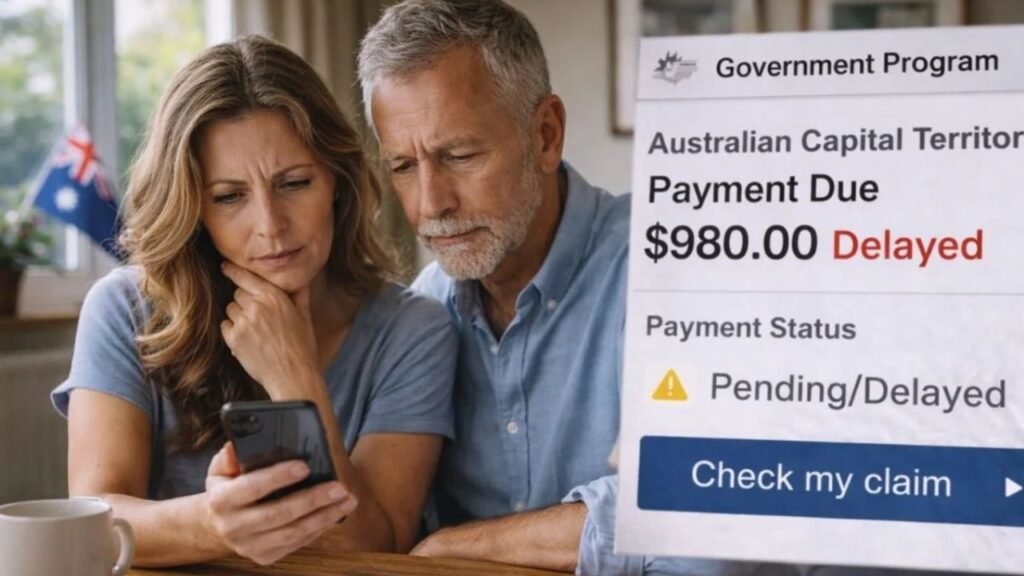
The delayed $980 government payment in 2026 has become a growing concern for thousands of Australians who rely on scheduled support to manage everyday expenses. From rising living costs to increasing demand for financial assistance, timely payments play a vital role in maintaining financial stability for many households.
Recent updates indicate that several factors—including system upgrades, verification processes, and an unusually high number of claims—have contributed to slower processing times. Understanding why these delays are happening and what actions to take can help individuals stay prepared and avoid unnecessary financial stress.
Why the $980 Government Payment Is Delayed in 2026

Government payment delays are not uncommon during periods of administrative change. In 2026, multiple operational factors have combined to slow processing times across various benefit categories.
System Upgrades and Technology Improvements
One of the primary reasons behind the delay is the implementation of new digital infrastructure. Agencies such as Services Australia have been modernizing their systems to improve accuracy, security, and long-term efficiency.
While these upgrades are designed to reduce errors and enhance user experience, transitions often cause temporary slowdowns. During system integration periods, payment processing queues may expand, leading to delayed transfers.
Surge in Applications

Another major factor is the increase in claim submissions. In 2026, more Australians than expected have applied for financial assistance programs, placing additional pressure on administrative systems.
When the volume of applications exceeds forecasted levels, processing teams must review more files than usual. This results in longer waiting periods, particularly for new applicants or those with complex eligibility circumstances.
Enhanced Verification and Fraud Prevention
Strict identity and eligibility checks are now a standard part of payment approvals. Agencies such as Centrelink conduct thorough assessments to ensure funds reach only eligible recipients.

Verification steps may include:
- Confirming personal identity
- Reviewing income records
- Checking banking information
- Verifying residency and eligibility criteria
While these measures increase fairness and security, they also extend processing times—especially if documents are incomplete or require clarification.
Who Is Most Affected by the Payment Delay
Although delays can impact anyone receiving government support, certain groups are more likely to experience longer waiting periods.
New Applicants
Individuals who submitted claims recently are among the most affected. New applications typically undergo full eligibility checks, which can take longer than ongoing payments already in the system.
If you recently applied for assistance and have not received confirmation, your claim may still be under review.
Existing Beneficiaries Under Review
Even individuals who have been receiving regular payments may notice delays if their records are undergoing reassessment. Updated eligibility policies and income reviews can temporarily pause scheduled deposits.
Applicants With Missing or Incorrect Information
Incomplete applications are one of the most common reasons for delayed payments. Errors such as incorrect bank details, outdated addresses, or missing documents can significantly slow processing times.
Reviewing your submission carefully can prevent unnecessary waiting.
How to Check Your Claim Status Quickly
Monitoring your claim status is the most effective way to stay informed about payment progress. Regular updates can help you respond promptly to requests and avoid additional delays.
Log Into Your Official Account
Most updates are available through your secure government portal. Once logged in, you can:
- View application progress
- Check approval status
- Upload required documents
- See estimated payment timelines
Frequent monitoring ensures that no important updates are missed.
Review Notifications and Messages
Government agencies often send alerts when additional information is required. These notifications may appear in your online account or via email.
Responding promptly to requests helps prevent further processing delays.
Contact Support Services When Necessary
If your payment has been delayed for an extended period without updates, contacting official support channels may provide clarity.
Support teams can:
- Verify application details
- Identify missing information
- Provide estimated resolution timelines
Direct communication is often the fastest way to resolve unresolved issues.
What You Should Do Immediately
Taking proactive steps can reduce delays and improve your chances of receiving the payment sooner.
Double-Check Personal Details
Ensure that all submitted information is accurate, including:
- Full legal name
- Current address
- Bank account details
- Contact information
Even minor errors can cause payment processing to stall.
Submit Documents Without Delay
If additional verification is requested, submit the required files as quickly as possible. Common documents may include:
- Proof of income
- Identification records
- Residency confirmation
Delays in responding often extend the overall waiting period.
Monitor Updates Regularly
Logging into your account frequently allows you to detect issues early and correct them before they escalate.
Consistent monitoring keeps your application active and moving forward.
Financial Impact of the $980 Payment Delay
For many households, government payments are not optional—they are essential. Delays can disrupt budgets and create unexpected financial pressure.
Household Budget Challenges
A delayed payment may affect:
- Rent or mortgage commitments
- Utility bills
- Grocery expenses
- Transportation costs
Families with limited savings may find it difficult to manage these obligations without expected financial support.
Increased Financial Stress
Uncertainty about payment timing can lead to anxiety, particularly for individuals managing fixed incomes. The inability to plan ahead often creates short-term financial instability.
This situation highlights the importance of maintaining emergency savings whenever possible.
Government Efforts to Resolve the Issue
Authorities have acknowledged the ongoing delays and are actively working to improve processing times.
Reducing Backlogs
Additional resources and staff support are being allocated to review pending claims faster. These efforts are expected to gradually reduce waiting periods over time.
Improving System Efficiency
Technology updates aim to streamline application handling and reduce long-term processing errors. Once fully operational, upgraded systems should provide faster approvals and fewer disruptions.
Encouraging Public Awareness
Government communications continue to emphasize the importance of accurate submissions and timely responses to requests.
Public cooperation plays a key role in accelerating payment distribution.
When Payments Are Expected to Resume Normally
While timelines may vary depending on individual circumstances, many delayed payments are expected to be processed once verification steps are completed.
Applicants who have submitted accurate and complete information typically receive payments sooner than those with unresolved issues.
However, due to continued high demand, minor delays may persist for a short period as systems stabilize.
Smart Financial Strategies During Payment Delays
If your payment is delayed, adopting short-term financial strategies can help reduce pressure.
Prioritize Essential Expenses
Focus spending on necessities such as:
- Housing
- Food
- Healthcare
- Utilities
Avoid non-essential purchases until your payment arrives.
Build an Emergency Buffer
If possible, setting aside even a small reserve can provide temporary protection against future disruptions.
Emergency savings are one of the most effective financial safety tools.
Explore Temporary Assistance Options
Community programs or financial counseling services may offer short-term guidance for individuals facing urgent financial pressure.
Seeking support early often prevents larger financial difficulties later.
Final Thoughts
The $980 government payment delay in 2026 has created uncertainty for many Australians, but understanding the causes behind the slowdown can make the situation easier to manage. System upgrades, increased application volumes, and stricter verification processes are the primary contributors to the delays.
The most effective approach is to remain proactive—regularly check your claim status, ensure your details are accurate, and respond quickly to any requests for additional information. While delays can be frustrating, staying informed and prepared will help you navigate the process with greater confidence and financial stability.