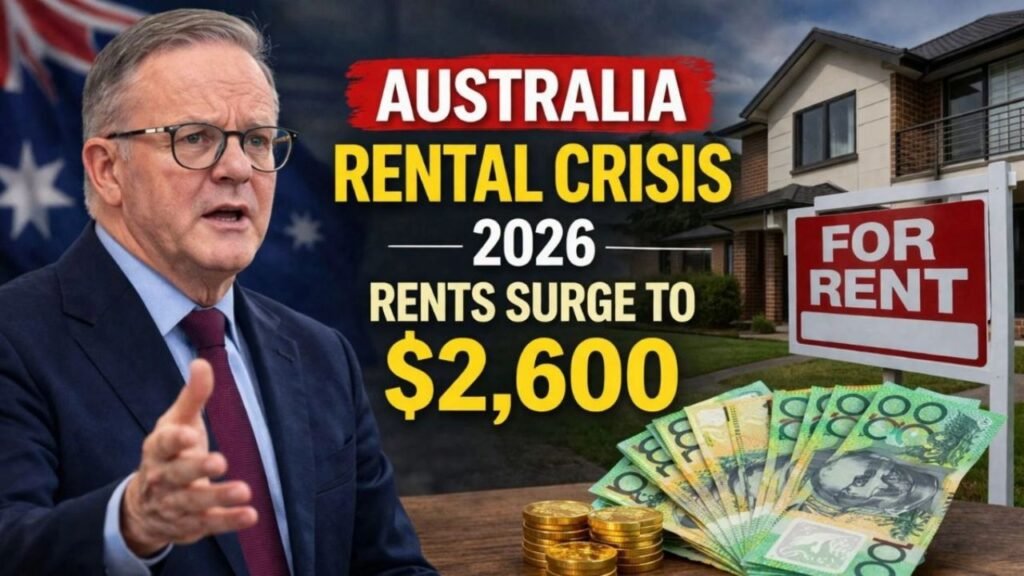
Australia’s rental market has entered one of its most challenging phases in decades. In 2026, average monthly rents in major metropolitan regions are approaching $2,600, placing unprecedented financial pressure on households across income levels. What was once considered a manageable cost of living has transformed into a major financial burden, forcing families to rethink housing choices, spending habits, and long-term life plans.
This shift is not the result of a single factor. Instead, it reflects a combination of economic pressures, supply shortages, and structural changes that have been building for years. Understanding what is driving this surge—and what it means for renters and investors—is essential in navigating the evolving housing landscape.
The Forces Behind Australia’s Rising Rental Costs
Housing Supply Falling Behind Demand

One of the most significant contributors to rising rents is the ongoing imbalance between housing supply and demand. Population growth, urban migration, and delayed construction projects have created a persistent shortage of available rental properties.
New housing developments have struggled to keep pace due to labour shortages in the construction industry, rising material costs, lengthy planning and approval processes, and limited availability of suitable land in urban regions.
When supply cannot meet demand, competition intensifies, leading landlords to increase rental prices.
Higher Interest Rates and Ownership Costs

Interest rate increases have played a major role in pushing rents upward. As borrowing costs rise, property owners face higher mortgage repayments. Many landlords pass these additional expenses onto tenants through increased rental charges.
Beyond interest rates, landlords are also dealing with increased property maintenance expenses, higher insurance premiums, and rising property taxes and compliance costs. These factors collectively elevate the overall cost of property ownership, contributing to the upward trend in rent.
Limited Long-Term Rental Availability
Another factor shaping the rental landscape is the reduction in long-term rental listings. Some property owners have shifted toward short-term rental models or sold investment properties during periods of market uncertainty.

The result is a shrinking pool of rental options, leaving tenants with fewer choices and less negotiating power.
The Financial Impact on Australian Households
Rising Rental Stress Levels
Financial experts often define rental stress as spending more than 30–35% of household income on rent. In 2026, many renters are exceeding this threshold, particularly in major cities where housing demand remains high.
For households already managing other living costs, the impact can be severe. Rent now consumes a larger portion of income, leaving less room for savings and essential spending.
Lifestyle Adjustments Becoming Common
To cope with higher rent, many households are making significant lifestyle changes. Downsizing to smaller homes or apartments, sharing housing with additional occupants, moving farther from city centres, and cutting back on discretionary spending have become routine decisions.
Leisure activities, travel, and non-essential purchases are often the first expenses to be reduced. For some families, even essential spending requires careful budgeting.
Why This Is More Than a Short-Term Problem
Structural Challenges in Housing Development
Economists widely agree that the current rental crisis is not simply a temporary spike. Instead, it reflects deeper structural issues within the housing sector.
For years, housing construction has lagged behind population growth. When compounded by economic disruptions and workforce shortages, this gap widened significantly.
Key long-term challenges include insufficient infrastructure development, high land acquisition costs, slow construction timelines, and increasing regulatory requirements. Without substantial changes, the supply shortage may continue to influence rental prices for years.
Wage Growth Lagging Behind Housing Costs
Another contributing factor is the widening gap between wages and housing costs. While incomes have gradually increased, rental prices have surged at a much faster rate.
This imbalance reduces purchasing power and makes financial planning more difficult for both individuals and families. It also affects economic confidence, as households prioritize housing over other forms of spending.
Government Measures and Policy Responses
Expanding Rental Assistance Programs
Governments have introduced various support initiatives to help renters manage rising costs. Rental assistance programs aim to provide temporary relief for households experiencing financial pressure.
These programs typically focus on low-income households, families facing housing insecurity, and individuals transitioning between residences.
While helpful, many renters fall into a middle-income category that may not qualify for assistance yet still struggle to afford market rates.
Increasing Housing Supply Initiatives
Long-term solutions are increasingly focused on boosting housing construction. Planning reforms and infrastructure investments aim to accelerate development and reduce delays.
Key strategies include incentives for new housing developments, partnerships with private developers, support for affordable housing projects, and streamlined approval processes.
However, these initiatives require time to produce measurable results, meaning short-term relief remains limited.
How Renters Are Adapting to the New Reality
Moving Beyond Major Cities
Many renters are choosing to relocate to regional or suburban areas where housing costs are lower. While this can reduce monthly expenses, it may also introduce new challenges, such as longer commutes or limited employment opportunities.
Remote work has made this transition easier for some professionals, enabling greater flexibility in housing decisions.
Shared Living and Multi-Generational Homes
Shared living arrangements have become increasingly popular as a cost-saving strategy. Families and individuals are combining resources to manage rent more effectively.
Multi-generational households are also becoming more common, providing financial stability and shared responsibilities across family members.
The Broader Economic and Social Effects
Reduced Consumer Spending
When housing costs rise significantly, households often reduce spending in other areas. This shift can impact sectors such as retail, hospitality, and entertainment.
Lower consumer spending may slow economic growth, particularly in regions heavily dependent on discretionary spending.
Changing Patterns of Mobility
Housing affordability influences where people live, work, and study. High rental costs can discourage mobility, limit job opportunities, and affect workforce distribution across regions.
These changes can reshape urban development patterns and influence long-term planning decisions.
What Renters Should Consider Moving Forward
Budgeting With Flexibility
In an unpredictable rental market, financial planning requires flexibility. Renters should regularly review budgets and maintain emergency savings whenever possible.
Key budgeting practices include tracking housing expenses carefully, allocating funds for unexpected increases, reviewing lease terms before renewal, and exploring alternative housing options early.
Preparation can reduce financial stress and provide greater stability during market fluctuations.
Understanding Lease Conditions
Rent increases typically occur during lease renewals, making it essential for tenants to understand their rights and responsibilities.
Being proactive rather than reactive can help renters negotiate better outcomes and avoid sudden financial pressure.
The Outlook for Australia’s Rental Market
Gradual Stabilization May Take Time
Housing experts anticipate that rental growth may slow once new housing supply increases and economic conditions stabilize. However, meaningful change is unlikely to occur overnight.
Market stabilization depends on several factors including completion of new housing developments, improvements in construction capacity, balanced population growth, and sustainable economic policies.
Until these conditions align, renters should expect continued pressure in high-demand areas.
Long-Term Planning Will Be Essential
The rental crisis highlights the importance of long-term housing strategies at both individual and national levels. Sustainable development, infrastructure investment, and responsible policy decisions will shape the future of housing affordability.
For individuals, careful planning, flexibility, and financial awareness remain the most effective tools for navigating an uncertain market.
Final Thoughts
Australia’s rental crisis in 2026 represents more than rising housing costs. It reflects a shifting economic landscape that is reshaping how people live, work, and plan their futures. With rents nearing $2,600 per month in many areas, the pressure on households is undeniable.
While government initiatives and construction projects offer hope, the path to affordability will require sustained effort and strategic planning. For renters, staying informed, budgeting wisely, and exploring alternative housing solutions will be essential in adapting to this evolving reality.