For many older adults, holding a driving licence represents far more than the ability to travel from one place to another. It symbolizes independence, flexibility, and the freedom to stay socially connected. In 2026, however, stricter licensing rules for drivers aged 70 and above are being introduced, placing greater emphasis on medical fitness and road safety.
These updated regulations are designed to reduce accident risks associated with age-related health changes. While the goal is to enhance public safety, the reforms are also sparking widespread discussion among older drivers who worry about losing their mobility if they fail new health assessments.

Understanding how the new rules work—and what to expect during the renewal process—can help drivers prepare with confidence and reduce unnecessary stress.
Why New Medical Tests Are Being Introduced
The introduction of mandatory medical checks for older drivers reflects a broader global focus on preventive road safety. As populations age, the number of drivers aged 70 and above continues to grow. With this shift comes increased attention to ensuring that drivers remain physically and mentally capable of operating vehicles safely.
Several factors are driving these policy changes.
Growing Population of Older Drivers
Advances in healthcare and lifestyle have allowed people to remain active and mobile well into later life. As a result, more individuals are choosing to continue driving beyond the age of 70. This demographic shift requires updated safety standards that reflect changing driver profiles.
Increased Risk from Age-Related Conditions
Medical conditions such as reduced vision, slower reaction times, and memory challenges can affect driving ability. Regular health checks help identify potential risks early and allow for proactive measures before safety becomes compromised.
Alignment With Modern Safety Standards
Many jurisdictions worldwide have introduced stricter monitoring systems for older drivers. The 2026 reforms aim to align local rules with modern road safety practices and international standards.
Who Will Be Affected by the 2026 Changes

The updated rules primarily apply to drivers aged 70 years and older. However, the impact may vary depending on personal health status and renewal timing.
Key Groups Affected
Drivers most likely to experience changes include:
Drivers aged 70 and above renewing their licence
Individuals with medical conditions that could affect driving ability
Licence holders applying for renewal after turning 70
Drivers aged 80 and above, who may face more frequent reviews
Younger drivers generally remain unaffected unless they develop serious medical conditions that impair driving ability.
What the New Medical Tests Include
The updated testing process focuses on essential abilities required for safe driving. Rather than being overly complex, the assessments are designed to identify whether drivers can safely respond to real-world road situations.
Vision Assessment
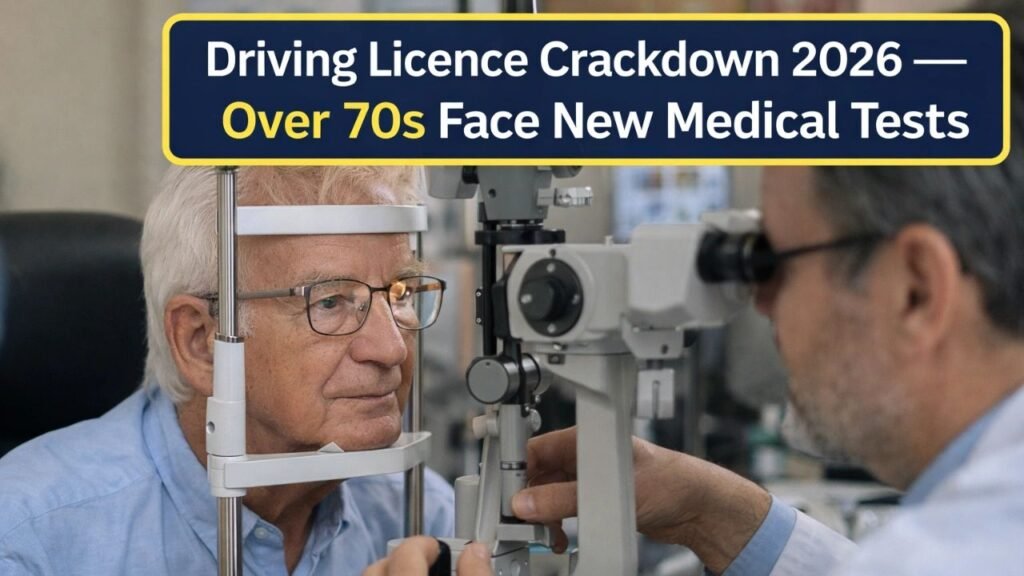
Vision is one of the most critical components of safe driving. Older drivers renewing their licence will be required to undergo eye examinations to assess:
Visual acuity and clarity
Peripheral vision range
Ability to recognize road signs and hazards
Suitability of corrective lenses if required
Drivers who use glasses or contact lenses must ensure their prescriptions meet required standards.
Cognitive Screening
Mental sharpness plays a vital role in decision-making on the road. Cognitive checks may include basic screening designed to measure:
Memory retention
Decision-making speed
Attention span and focus
Situational awareness
These assessments help determine whether drivers can process information quickly and respond appropriately.
Physical Fitness Evaluation
Physical ability affects how quickly a driver can react in traffic conditions. Assessments may examine:
Ability to turn the head to check blind spots
Strength and flexibility
Hand-eye coordination
Reaction time under simulated driving conditions
These tests ensure that drivers can perform essential driving movements safely.
Medical Reporting Requirements
Doctors may be required to report serious health conditions that significantly affect driving safety. Examples of conditions that may trigger reporting include:
Dementia or severe memory impairment
Epilepsy or seizure-related disorders
Serious cardiovascular conditions
Neurological disorders affecting coordination
Medical professionals play a critical role in identifying risks and recommending safe driving limits where necessary.
Licence Renewal Frequency Is Changing
Alongside medical testing, renewal timelines are also being shortened for older drivers. This ensures that health conditions are reviewed more frequently as age increases.
Updated Renewal Schedule
Under the revised 2026 system:
Drivers under 70 typically continue renewing every 5 to 10 years
Drivers aged 70 to 79 may renew every 1 to 3 years with medical checks
Drivers aged 80 and above may require annual assessments
More frequent renewals help maintain up-to-date evaluations of driving capability.
Possible Outcomes After Medical Assessment
Completing the required tests does not automatically mean losing a licence. In fact, many older drivers pass assessments and continue driving without restrictions.
Full Licence Renewal
Drivers who meet all medical and safety standards will receive a standard renewal, allowing them to continue driving without limitations.
Conditional Licence
Some drivers may receive licences with specific conditions instead of losing their driving privileges. These conditions may include:
Driving only during daylight hours
Restrictions to local areas
Speed limitations in certain zones
Requirement to wear corrective lenses
Conditional licences offer flexibility while maintaining safety.
Temporary Suspension
In cases where further medical evaluation is required, a temporary suspension may be issued until additional testing is completed.
Permanent Licence Cancellation
Permanent cancellations are typically reserved for situations where driving presents a significant safety risk that cannot be mitigated through restrictions.
How Older Drivers Can Prepare for Renewal
Preparation can significantly improve confidence and outcomes during the renewal process. Taking proactive steps before assessments can reduce anxiety and increase the likelihood of passing required checks.
Schedule Medical Tests Early
Booking appointments well in advance prevents last-minute stress and ensures enough time to address potential concerns.
Maintain Regular Health Checkups
Routine medical visits help identify health issues before they affect driving ability.
Update Vision Prescriptions
Keeping eyewear prescriptions current ensures vision standards are met during testing.
Stay Physically Active
Light physical activity improves flexibility, coordination, and reaction time—key factors in driving safety.
Addressing Concerns About Losing Independence
For many older adults, the possibility of losing a driving licence raises understandable concerns about independence. However, the goal of the 2026 reforms is not to remove licences unnecessarily but to ensure roads remain safe for all users.
Even in situations where restrictions are applied, many drivers can continue operating vehicles under modified conditions. Conditional licences, rehabilitation programs, and second medical opinions provide alternative pathways that support mobility without compromising safety.
Understanding Your Rights After an Assessment
Drivers who disagree with medical outcomes or licensing decisions often have options available to them.
Requesting a Second Opinion
If a driver fails a medical assessment, they may request an independent medical evaluation to confirm results.
Appealing a Decision
In certain cases, formal review processes allow drivers to challenge licensing outcomes.
Participating in Rehabilitation Programs
Some drivers may be offered driving rehabilitation programs designed to improve skills and confidence before reapplying for a licence.
Knowing these options can provide reassurance and reduce uncertainty.
The Long-Term Impact on Road Safety
Stricter licensing standards for older drivers are expected to improve overall road safety outcomes. By identifying potential risks earlier, authorities aim to reduce accidents linked to untreated medical conditions.
Over time, these reforms may also contribute to:
Safer driving environments
Reduced healthcare and accident costs
Improved public confidence in road systems
Greater awareness of health-related driving risks
The long-term benefits extend beyond individual drivers to the broader community.
Final Thoughts
The 2026 driving licence reforms introduce meaningful changes for drivers aged 70 and above, including mandatory medical tests and shorter renewal cycles. While these updates may initially feel challenging, their primary purpose is to protect both drivers and the wider community.
Most older drivers who maintain good health and stay proactive about medical care are likely to continue driving without major disruptions. By preparing early, staying informed, and understanding available options, drivers can approach the new system with confidence and maintain their independence for years to come.