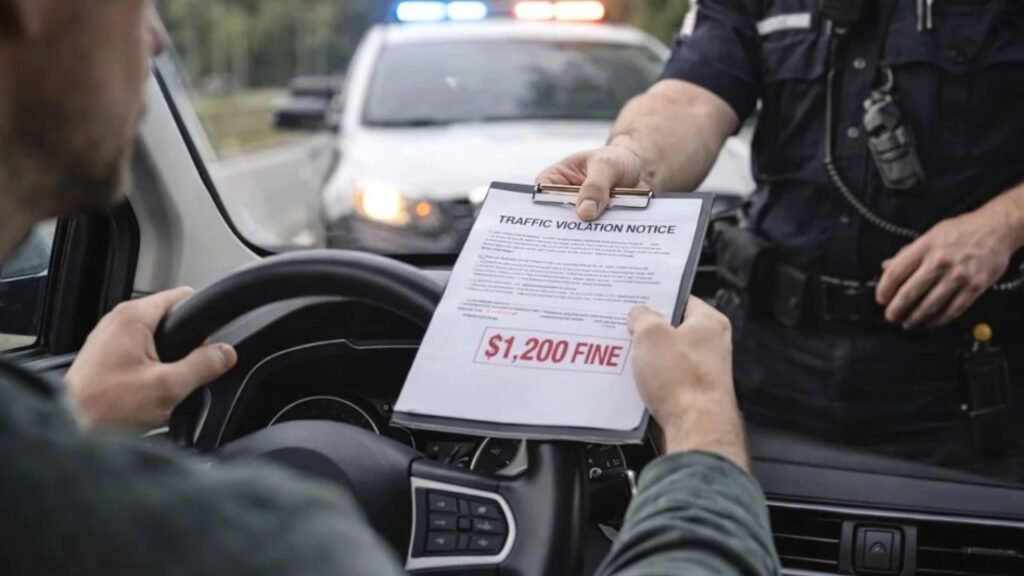
Road safety regulations are entering a stricter phase in 2026, with updated laws introducing higher penalties and stronger enforcement across major road networks. The New Road Safety Rules 2026 represent a significant shift toward accountability, aiming to reduce accidents, protect vulnerable road users, and promote responsible driving habits.
With fines reaching up to $1,200 for certain violations, drivers are being urged to stay informed and adjust their behavior behind the wheel. These changes reflect a broader effort to modernize traffic safety systems and encourage a culture of disciplined driving.
Why the New Road Safety Rules 2026 Were Introduced

Governments worldwide have faced increasing pressure to address rising accident rates and road-related injuries. Data from recent years revealed that many collisions were preventable and often linked to driver negligence rather than mechanical failure.
Rising Accident Rates Prompt Action
A noticeable increase in road incidents, especially in urban areas and high-speed corridors, led authorities to reassess existing traffic laws. Investigations revealed that common behaviors such as distracted driving, speeding, and ignoring signals were among the leading causes of accidents.
The new rules aim to reduce these risks by introducing stricter penalties and enhancing monitoring technology.
Building a Culture of Responsible Driving

The updated laws are not only about imposing fines but also about shaping long-term driving habits. Authorities want drivers to think carefully before taking risks, particularly in sensitive areas such as school zones, pedestrian crossings, and highways.
By reinforcing accountability, policymakers hope to create safer and more predictable traffic environments.
Key Changes Under the New Road Safety Rules 2026
Several major updates have been introduced under the new framework. These changes affect routine driving behavior and introduce higher financial consequences for violations.
Increased Fines Across Multiple Violations

One of the most noticeable changes is the increase in penalty amounts. Offenses that previously carried modest fines now come with significantly higher charges.
For example:
- Speeding offenses can now attract fines up to $1,200
- Mobile phone usage while driving may result in fines nearing $1,000
- Dangerous driving violations can lead to both financial penalties and legal consequences
Repeat offenders may face escalating fines and possible suspension of driving privileges.
Expanded Speed Monitoring Systems
Speeding remains one of the most dangerous driving behaviors. To combat this, authorities have expanded automated speed monitoring across highways and urban roads.
Advanced camera networks now allow instant detection of speed violations. In many cases, fines are issued automatically, reducing the likelihood of drivers escaping penalties.
This shift toward technology-driven enforcement ensures greater consistency and faster response to violations.
Stricter Drink Driving Limits
Driving under the influence continues to be treated as a serious offense under the New Road Safety Rules 2026.
Authorities have tightened alcohol limits in many jurisdictions and increased roadside testing frequency. Drivers caught exceeding legal alcohol limits may face:
- High monetary fines
- Immediate license suspension
- Possible court proceedings
- Jail time in severe cases
These measures demonstrate a zero-tolerance approach toward impaired driving.
Mandatory Seatbelt and Helmet Compliance
Seatbelt enforcement has become stricter for both drivers and passengers. Failure to wear a seatbelt now results in heavier penalties, reflecting the importance of basic safety precautions.
Helmet enforcement for two-wheeler riders has also intensified. Riders found without proper protective gear may receive fines and additional penalty points on their license.
These measures aim to reduce injury severity during accidents and improve survival rates.
Zero Tolerance for Distracted Driving
Distracted driving is now categorized as a major safety risk. Activities such as using mobile phones, texting, eating, or adjusting devices while driving are closely monitored.
Authorities are deploying advanced surveillance systems capable of detecting driver distractions. AI-assisted cameras can identify phone usage and other risky behaviors, making enforcement more efficient than ever before.
Drivers are encouraged to keep their full attention on the road at all times.
Understanding the Most Common Offenses and Penalties
Under the New Road Safety Rules 2026, several everyday violations carry higher consequences than before. Understanding these risks can help drivers avoid unnecessary fines.
Common violations include:
- Driving above the posted speed limit
- Using a mobile phone while operating a vehicle
- Ignoring red traffic signals
- Driving without a seatbelt
- Riding without a helmet
- Engaging in reckless or careless driving
Each violation not only results in financial penalties but may also add points to a driver’s record, potentially leading to suspension or mandatory safety courses.
How Drivers Can Avoid Heavy Fines in 2026
Avoiding penalties under the new rules requires consistent discipline and awareness. Simple behavioral adjustments can significantly reduce the risk of violations.
Follow Core Safety Practices
Basic driving habits remain the strongest defense against penalties.
Drivers should:
- Always wear seatbelts
- Obey posted speed limits
- Avoid mobile phone use while driving
- Maintain safe distances from other vehicles
- Follow traffic signals without exception
These simple actions contribute to safer roads and reduce financial risk.
Stay Updated on Local Traffic Laws
Traffic regulations may evolve over time. Staying informed about updates ensures compliance and prevents unexpected penalties.
Drivers are encouraged to review official announcements and remain aware of regional changes that may affect driving rules.
Regular awareness helps drivers adapt quickly to new regulations.
Maintain Vehicle Readiness
Vehicle condition plays an important role in road safety. Poor maintenance can lead to fines and increase accident risks.
Drivers should regularly check:
- Brake performance
- Tire condition
- Headlights and indicators
- Mirrors and visibility systems
- Registration and documentation validity
A properly maintained vehicle supports safe driving and reduces regulatory risks.
The Broader Impact of the New Road Safety Rules 2026
While stricter penalties may feel demanding initially, the long-term benefits are expected to outweigh the inconvenience.
Encouraging Safer Driving Behavior
Higher fines create stronger incentives to follow traffic laws. Over time, drivers become more cautious, leading to fewer accidents and improved safety outcomes.
Safer roads benefit everyone, including pedestrians, cyclists, and public transport users.
Reducing Healthcare and Insurance Costs
Fewer accidents can lead to reduced emergency response costs, lower healthcare expenses, and more stable insurance premiums.
This creates financial advantages not only for individuals but also for the broader economy.
Supporting Modern Traffic Management
The integration of technology into enforcement systems marks a new era in road safety management.
Digital monitoring tools allow authorities to detect violations quickly and maintain consistent enforcement across large areas.
This modern approach increases fairness and accountability.
Adapting to the New Driving Environment
Drivers entering 2026 must approach the road with heightened awareness. The new rules reflect evolving expectations and growing responsibility among road users.
Adapting to these changes requires more than compliance—it demands a commitment to safe and responsible driving.
Practicing defensive driving techniques, anticipating potential hazards, and respecting other road users can make daily travel safer and more predictable.
Final Thoughts
The New Road Safety Rules 2026 represent a major transformation in traffic regulation, with fines reaching up to $1,200 for serious violations. These updates highlight the importance of discipline, awareness, and responsible decision-making behind the wheel.
Although stricter enforcement may seem challenging at first, the long-term goal is clear: safer roads, fewer accidents, and stronger protection for all road users. Drivers who remain informed, maintain safe habits, and respect the updated rules will not only avoid costly penalties but also contribute to a more secure and reliable driving environment.